Introduction: The Quiet Heroes Behind Every Healthy Paw
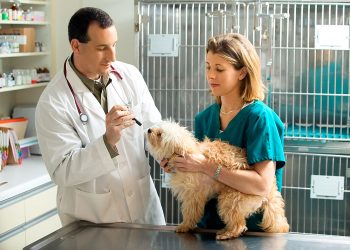
In every wagging tail, gentle purr, and bright-eyed glance lies an unspoken trust between humans and animals—a trust carefully upheld by the often unsung heroes of animal health: veterinarians. While many people picture vets merely giving vaccines or soothing anxious pets, the profession is far broader and more demanding than most imagine. Veterinary medicine is a remarkable blend of science, compassion, detective work, and unwavering dedication to creatures who cannot voice their pain but feel it all the same.
A Profession Rooted in Compassion and Complexity
Veterinary medicine is an ancient practice, its origins tracing back to when early farmers and herders first noticed the vital link between animal health and human survival. Today, the field is far more sophisticated, bridging disciplines from surgery and pharmacology to epidemiology and ethics.
Beyond Cats and Dogs
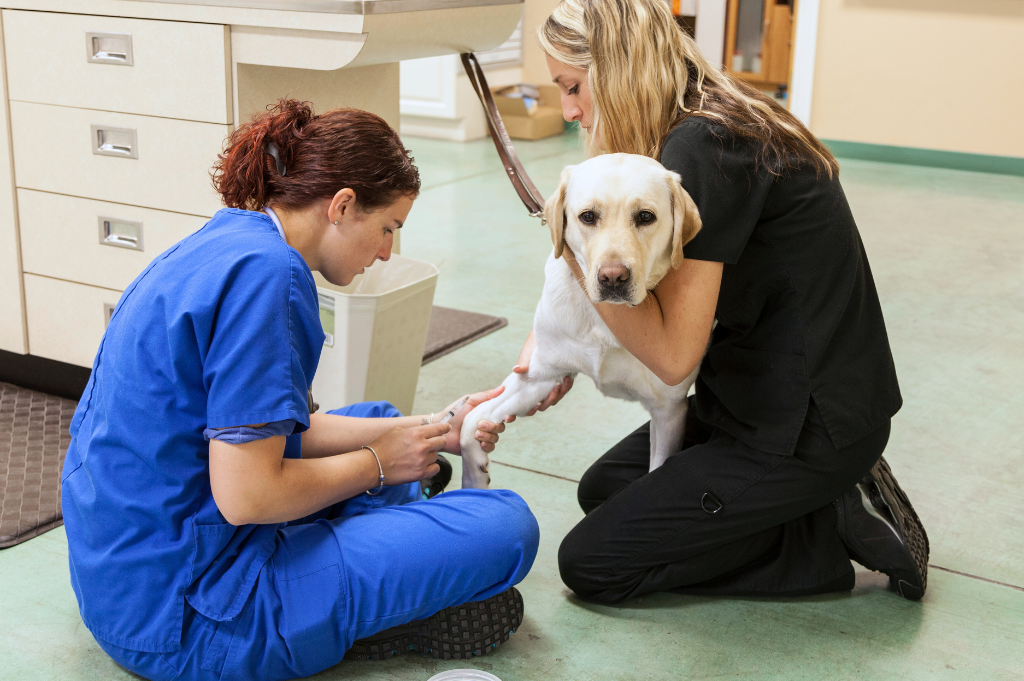
When people think of a vet, the image of a Labrador wagging in an exam room often comes to mind. Yet the scope of veterinary work is breathtakingly wide.
-
Small Animal Practice
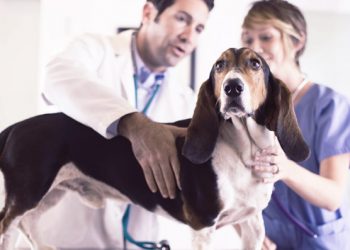
Caring for pets—dogs, cats, rabbits, birds—makes up the majority of daily practice for urban and suburban vets. -
Large Animal and Farm Veterinary Care
Vets who treat livestock are guardians of food safety and animal welfare. They manage herd health, assist with breeding, and advise farmers on nutrition and disease prevention. -
Exotic and Wildlife Veterinary Medicine
Specialists care for everything from reptiles and zoo animals to injured wild birds brought in by kind strangers. -
Research and Public Health
Veterinarians work behind the scenes in laboratories, developing vaccines, tracking zoonotic diseases, and ensuring the safety of the food supply.
The Daily Life of a Veterinarian
No two days look the same for a vet. One moment may bring a routine vaccination; the next, an emergency surgery or a delicate conversation with a grieving pet owner.
Routine Care
-
Annual check-ups and vaccinations
-
Spaying, neutering, and dental cleanings
-
Parasite prevention and nutrition advice
Emergency and Critical Care
-
Treating injuries, poisoning, or sudden illness
-
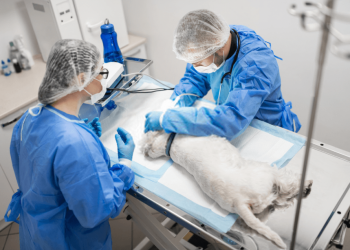
Performing complex surgeries
-
Stabilizing animals in critical condition
Diagnosis and Investigation
-
Running blood tests, X-rays, and ultrasounds
-
Piecing together clues from subtle behavioral changes
-
Working with specialists for advanced cases
The Human Side: Supporting Owners
Being a vet means caring for humans, too. Delivering difficult news, helping owners make humane end-of-life decisions, and offering guidance through medical complexities require empathy and strong communication skills.
Challenges and Realities
Veterinary medicine is deeply rewarding, yet not without its hardships. The emotional toll of euthanasia, compassion fatigue, and the strain of high workloads can weigh heavily.
Financial Pressures
Unlike human medicine, veterinary care is rarely subsidized by insurance to the same extent. Many owners are surprised by the cost of surgeries, diagnostics, or lifelong treatments. Vets often find themselves balancing medical best practices with an owner’s financial limitations.
Emotional Toll
Vets shoulder the heartbreak of treating suffering animals, witnessing abuse or neglect cases, and sometimes facing blame when outcomes don’t align with hope.
Physical Demands
Long hours on their feet, lifting heavy animals, handling fearful or aggressive patients—these are daily physical realities.
The Unseen Impact: Protecting Global Health
Veterinary medicine does more than keep pets healthy—it protects people, too.
-
Zoonotic Disease Control
Diseases like rabies, avian influenza, and even COVID-19 have animal origins. Vets monitor, control, and prevent outbreaks that could devastate communities. -
Food Safety and Security
Veterinarians ensure livestock are healthy, humane practices are followed, and food products are safe for human consumption. -
Environmental Guardianship
Wildlife vets and conservationists help monitor endangered species, treat injured wild animals, and support biodiversity.
The Rise of Specialized Veterinary Care
Like human medicine, veterinary care has advanced into specialties once unimaginable.
-
Oncology
Cancer treatments including chemotherapy and radiation are increasingly available for pets. -
Orthopedic Surgery
Vets perform joint replacements, fracture repairs, and advanced mobility treatments. -
Dermatology and Allergy Care
Chronic skin conditions and allergies are managed with sophisticated diagnostics and long-term treatment plans. -
Rehabilitation and Physical Therapy
Injured or aging animals now benefit from hydrotherapy, acupuncture, and tailored exercise programs.
Choosing a Vet: A Partnership in Care
A good veterinarian becomes a partner throughout a pet’s life. Choosing the right clinic requires more than comparing prices.
What to Look For
-
Clear communication and willingness to answer questions
-
Updated facilities and modern equipment
-
Compassionate staff who handle animals gently
-
Emergency care availability or trusted referral networks
Building Trust
Owners who build strong relationships with their vets are more likely to follow preventive care recommendations, catch illnesses early, and feel supported when facing difficult decisions.
The Future of Veterinary Medicine
The profession continues to evolve alongside new technologies and societal shifts.
-
Telemedicine
Virtual consultations make care more accessible, especially for anxious pets or those in rural areas. -
Better Mental Health Awareness
More clinics now recognize the toll on veterinary staff and invest in mental health support. -
Advances in Nutrition and Preventive Medicine
Personalized diets, DNA testing for breed-specific risks, and sophisticated vaccines promise longer, healthier lives for pets.
Conclusion: Gratitude for the Hands that Heal
At its heart, veterinary medicine is a testament to our shared existence with animals. Vets give voice to the voiceless, comfort to the suffering, and hope to those who fear losing a beloved friend. They stand as silent sentinels of health for creatures who cannot say thank you but show their gratitude in every bright-eyed glance, tail wag, and gentle nuzzle.
So the next time you visit the vet’s office, remember: behind each exam room door lies a lifetime of study, sacrifice, and profound care—quietly dedicated to keeping our companions healthy and our connection to them strong.