Most first-time buyers fixate on the purchase price, then discover within a year that the horse itself was the cheapest part of the arrangement. A $5,000 gelding can easily consume $12,000 to $25,000 annually depending on where he lives, how much he eats, and how many surprises his feet and joints deliver. The single biggest fork in the road is whether you board at a facility or keep him on your own property, so this guide breaks down what each path actually costs per month, where the hidden line items hide, and how to decide which model fits your budget and lifestyle.
What does it cost to board a horse each month?
Boarding fees vary enormously by region and level of service, but most owners in the United States pay between $400 and $1,500 per month.
The tiers generally look like this:
- Pasture board (500): Your horse lives outside full time with run-in shelter, hay, and water. Labor is minimal, so the price is too.
- Partial or self-care board (600): The barn provides a stall and turnout, but you handle feeding, mucking, and daily checks. Cheap on paper, expensive in gas and time.
- Full-care board (1,500+): Stall, daily turnout, feeding, cleaning, blanketing, and staff who notice when something looks off. Facilities near major metros with indoor arenas often cost more than $2,000.
Board rarely covers everything. Budget separately for farrier work (200 every six to eight weeks), routine veterinary care (roughly 600 per year for vaccines, dental floating, and deworming), and any supplements or specialty feed the barn charges to store and administer. Add lessons, training rides, or show fees and a “cheap” boarded horse quickly reaches $1,000 a month.
What does home care cost when you keep a horse on your own land?
Keeping horses at home eliminates the board check but replaces it with infrastructure, feed logistics, and your own labor. A realistic monthly breakdown for one horse in an average-cost area:
| Expense | Monthly range |
| Hay (1.5–2% of body weight daily) | 400 |
| Grain or concentrate | 120 |
| Bedding | 100 |
| Farrier (prorated) | 120 |
| Veterinary care (prorated) | 80 |
| Fencing, water, and facility upkeep | 150 |
| Equipment, manure removal, insurance | 100 |
That lands most home-care owners between $375 and $1,000 per month before any startup costs. Those upfront investments are substantial: safe fencing runs 15 per linear foot, a modest run-in shed costs 10,000, and a tractor or manure spreader adds thousands more. Hay prices also swing with drought and fuel costs, and buying in bulk requires dry storage.
Then there is the labor. Horses need feeding twice daily, water checks in freezing weather, and someone competent on hand when a colic episode starts at 2 a.m. Home care saves money only if you have time and can find reliable coverage for vacations.
Boarding vs. home care: which is actually cheaper?
On a strict cash basis, home care usually wins, often by 600 per month once the property is set up. Boarding wins on convenience, built-in social interaction for your horse, access to arenas and trails, and the safety net of experienced staff.
The honest calculation includes three questions:
- Do you already own suitable land? If you must buy or lease acreage, boarding is almost always cheaper.
- How many horses will you keep? Horses are herd animals and do poorly alone, so home care typically means two animals, which doubles feed and vet bills.
- What is your time worth? Two hours of daily chores at home is roughly 60 hours per month. Many owners find that full-care board costs less than the income or sleep they would sacrifice.
Hidden costs both boarders and home-care owners forget.
Regardless of where your horse lives, several expenses catch owners off guard:
- Emergency veterinary care. A colic surgery can exceed 300–$800 per year) or keep a dedicated emergency fund.
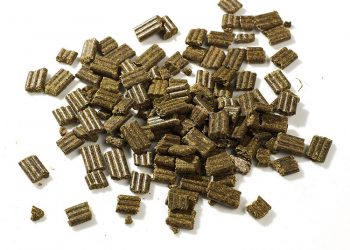
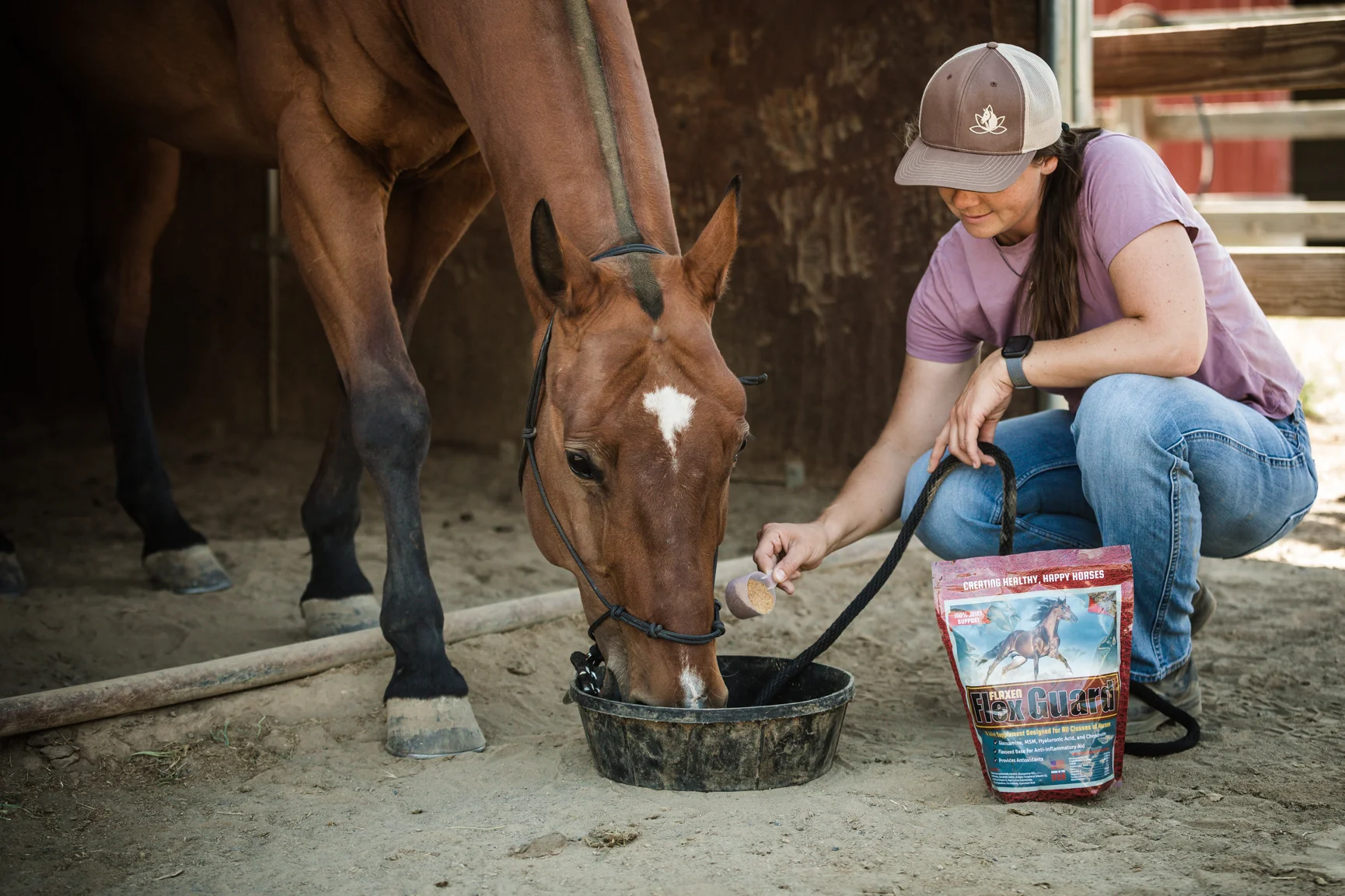
- Joint and skeletal support as horses age. Performance horses and seniors often benefit from a horse bone supplement or joint formula, adding 80 monthly but potentially reducing long-term lameness costs.
- Tack replacement. Saddles, bridles, and blankets wear out. Expect 1,500 per year in gear.
- A trailer and a truck capable of towing it can cost 60,000, or you can pay per-haul fees of 3 per mile.
- End-of-life expenses. Euthanasia and disposal typically cost 1,000.
A realistic annual budget for horse ownership
Pulling it all together, a boarded horse in full care with routine farrier, vet, insurance, and modest extras generally costs 20,000 per year. A home-care horse on established property, sharing pasture with a companion, runs closer to 12,000 per year per horse, plus the amortized setup investment.
Neither number should scare off a committed owner, but you should know both before you buy. Run your own version of these figures using local hay and board prices, add a 15 percent cushion for the unexpected, and you will own a horse with far fewer financial surprises than the average first-time buyer.