Introduction: An Ancient Bond with a Modern Heart
Few creatures inspire such fascination as the domestic cat. Equally revered and misunderstood, cats have walked beside humankind for thousands of years, weaving themselves into the fabric of our cultures, our homes, and our imaginations. They are enigmatic yet familiar, aloof yet affectionate, hunters yet housemates. To live alongside a cat is to invite a small piece of the wild into one’s living room—a flicker of untamed spirit wrapped in soft fur and an inscrutable gaze.
A History Steeped in Mystery
Cats have shared our firesides far longer than many realize. Unlike dogs, whose domestication involved selective breeding for work and companionship, cats chose us. Archaeological evidence suggests that around 10,000 years ago, wild cats began frequenting early human settlements in the Fertile Crescent, drawn by the rodents that gathered near stored grain. Humans tolerated their presence, recognizing their skill as mousers, and gradually, an unspoken pact formed between species.
In ancient Egypt, cats rose from useful predators to sacred beings. Bastet, the lioness-turned-cat goddess, symbolized protection, fertility, and domestic harmony. Killing a cat, even accidentally, was a crime punishable by death. Cats were so prized that they were mummified and buried with care, ensuring their safe passage to the afterlife.
Cats in Folklore and Superstition
Over centuries, cats have gathered around themselves an aura of myth. In parts of Europe, black cats were once seen as witches’ familiars, creatures that slipped easily between the physical and the supernatural. Sailors believed a ship’s cat brought good luck and safe passage. In Japan, the beckoning cat, or maneki-neko, is a symbol of prosperity and good fortune, its raised paw inviting wealth and happiness.
These legends reveal humanity’s age-old ambivalence toward cats—creatures that dwell so comfortably between worlds, neither fully ours nor wholly wild.
The Modern Cat: Companion and Mystery
Today, cats are among the most popular pets on the planet. They grace our homes with a presence that is at once comforting and intriguingly independent. Unlike dogs, who often crave constant company, cats choose their moments of affection. They slip silently through rooms, curling up in warm corners or demanding attention with an imperious head butt.
What Makes Cats So Beloved?
Those who share their lives with cats know there is nothing quite like the soothing rumble of a cat’s purr at the end of a long day. The appeal of cats lies not just in their beauty but in their contradictions.
-
Independent Yet Affectionate
Cats relish solitude but often seek closeness on their own terms. They remind us to value personal space while appreciating moments of connection. -
Graceful Hunters at Heart
A house cat lounging lazily in a sunbeam can, in a heartbeat, become a predator, eyes fixed on a stray moth. Watching a cat stalk a toy mouse is to witness a miniature lion at work. -
Masters of Comfort
Cats know where the warmest, coziest spot in the house is at any given moment—and they occupy it without guilt. They teach us the art of unapologetic relaxation.
The Health Benefits of Living with Cats
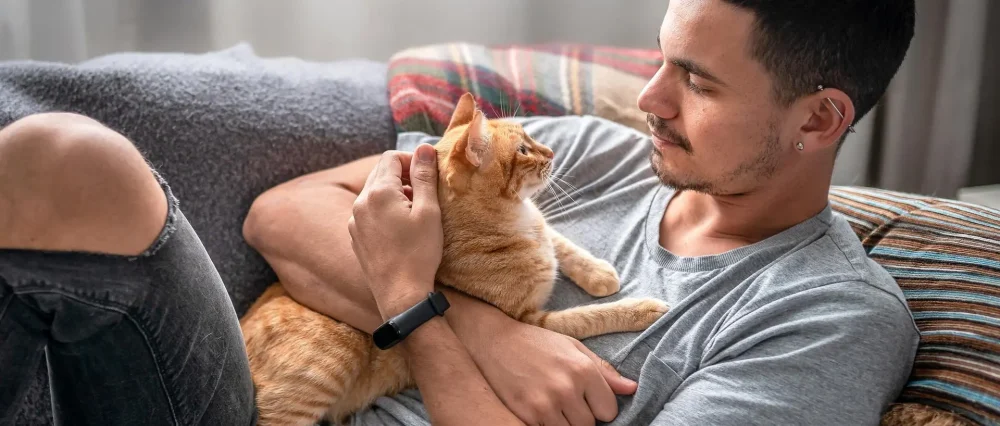
Beyond their charm, cats offer tangible benefits to human well-being. Studies have shown that the simple act of petting a cat can lower blood pressure and reduce stress. The sound frequency of a cat’s purr is even believed to promote healing and bone regeneration—an extraordinary side effect of their gentle vocalizations.
For many people, especially those living alone, a cat provides companionship that is soothing yet non-intrusive. They are quiet confidants, accepting our moods without judgment, content to sit beside us as life unfolds.
Cats in the Digital Age
In the twenty-first century, cats have conquered not just our couches but our screens. Social media brims with viral cat videos, memes, and accounts devoted entirely to feline antics. From Grumpy Cat’s iconic scowl to the thousands of ordinary cats delighting viewers worldwide, cats remind us that a touch of silliness can brighten the darkest day.
Responsible Cat Guardianship
Despite their reputation for independence, domestic cats rely on their humans for more than food and warmth. Responsible guardianship means providing enrichment to mimic natural hunting behaviors, regular veterinary care, and, crucially, keeping cats safe from hazards both indoors and out.
Outdoor cats pose significant risks to local wildlife, particularly birds and small mammals. Many experts now advocate for “catios” (cat patios) or supervised outdoor time to balance a cat’s love of adventure with environmental responsibility.
Why Cats Matter More Than Ever
In an age of noise and urgency, cats offer a quiet lesson in presence. They remind us to bask in sunlight, to pause and listen, to delight in small moments of play. They do not hurry, yet they are never idle; every stretch, leap, or nap is intentional.
Cats also embody resilience. Descended from solitary hunters, they have adapted to life among humans without losing the essence of what makes them unique. Their independent spirit inspires us to nurture our own.
Conclusion: Living with Wonder
To love a cat is to accept a measure of mystery. They keep a part of themselves forever untamed, a reminder that the wild is never far away. In their emerald eyes and flicking tails, we glimpse a living link to ancient times and distant forests.
Perhaps this is why, for millennia, we have found ourselves captivated by cats. They are our companions, our muses, and our silent teachers. They slip through our lives on velvet paws, leaving behind a trail of purrs, fur, and wonder—a gentle reminder that true affection is freely given, never demanded.
In the end, a cat does not belong to us. We belong, gratefully and fleetingly, to them.