Introduction: More Than a Stethoscope and a Treat
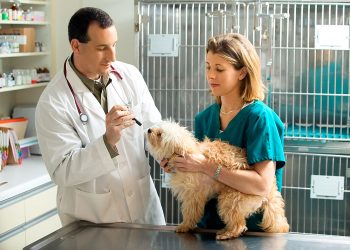
When we think of veterinarians, we often picture a warm smile, a gentle touch calming a nervous pet, and the familiar clink of instruments in a softly lit exam room. Yet behind this comforting image lies an intricate profession that stretches far beyond the clinic’s four walls. Veterinary medicine is a profound blend of science, compassion, and unwavering resilience—an art that serves as the vital bridge between humans and the animals that enrich our lives.
The True Scope of Veterinary Medicine
Though most people associate vets with cats and dogs, the field is remarkably broad. Modern veterinarians wear many hats: physician, surgeon, dentist, nutritionist, counselor, and sometimes even detective.
Companions at the Core
For many, pets are family. Small animal practitioners provide:
-
Preventive care such as vaccinations and parasite control
-
Diagnostic testing and chronic disease management
-
Surgeries from routine spays and neuters to complex orthopedic procedures
-
Emergency interventions for accidents or sudden illness
Beyond the Family Pet
Not all veterinarians work in suburban clinics. Some devote their careers to less visible yet equally critical roles.
-
Farm Animal Care
Large animal vets protect food security, welfare, and safety. They treat cattle, pigs, sheep, and poultry, ensuring livestock are healthy and production standards meet ethical and health regulations. -
Wildlife and Exotic Medicine
Specialists rehabilitate injured wildlife, conserve endangered species, and care for exotic pets whose needs can differ dramatically from domestic animals. -
Public Health and Research
Many veterinarians work behind the scenes in labs and universities. They help control zoonotic diseases (illnesses that jump between animals and humans), conduct vital research, and help develop life-saving vaccines.
Inside the Clinic: The Everyday Miracle
A day in veterinary practice is rarely predictable. A single morning might include a routine wellness check, a challenging diagnosis, and an emotional farewell to a beloved pet.
Routine Preventive Care
Preventive care is the foundation of veterinary practice.
-
Annual health exams and vaccinations
-
Parasite screenings and treatments
-
Dental cleanings to prevent painful disease
-
Nutritional advice tailored to life stage and breed
Emergency and Critical Care
Veterinarians must be ready for the unexpected.
-
Immediate surgery for blockages or trauma
-
Poisonings from household hazards
-
Complicated births and neonatal care
Specialized Treatment
Advances in veterinary medicine now mirror human healthcare in remarkable ways.
-
Oncology for pets facing cancer diagnoses
-
Advanced orthopedics and physical therapy for injured animals
-
Dermatology, ophthalmology, and internal medicine for complex conditions
The Human Element: Caring for Owners Too
A veterinarian’s responsibility extends beyond the patient. Pet owners arrive with questions, hopes, and fears. Good vets are skilled communicators, able to explain complicated medical information with clarity and empathy.
-
Guiding owners through treatment options
-
Helping families prepare for end-of-life decisions
-
Offering grief support when a pet’s journey ends
Challenges Beneath the Surface
The reality of veterinary work is far from easy. The profession demands profound emotional fortitude.
Financial Strain and Ethical Dilemmas
Unlike human healthcare, pet care is rarely covered by insurance to the same degree. This reality often forces vets to navigate the delicate balance between the ideal treatment and what an owner can afford.
Emotional and Physical Toll
Long hours, physical demands, and exposure to suffering and loss take a heavy toll. Compassion fatigue and burnout are serious issues within the profession.
Client Expectations
Modern pet owners are more informed than ever—sometimes misinformed. Vets must manage unrealistic expectations, online myths, and occasional distrust, all while advocating for the patient’s best interest.
The Hidden Heroes of Public Health
Beyond individual clinics, veterinarians are critical players in protecting entire communities.
Zoonotic Disease Surveillance
Vets track and control diseases like rabies, avian influenza, and leptospirosis. Their work prevents outbreaks that could otherwise devastate both animal and human populations.
Food Safety and Biosecurity
Veterinarians inspect food production facilities, oversee animal welfare on farms, and ensure that meat, eggs, and dairy products are safe for human consumption.
Environmental Conservation
Wildlife vets and conservationists monitor endangered species, restore habitats, and manage health threats to delicate ecosystems.
Choosing the Right Veterinarian
For pet owners, a trusted veterinarian becomes a partner in care. Selecting the right one goes far beyond proximity.
What to Consider
-
Clear communication and genuine compassion
-
Clean, well-equipped facilities
-
Accessible emergency care or a strong referral network
-
Continuing education and up-to-date practices
Building a Lasting Relationship
When owners and vets communicate openly and honestly, pets benefit. Routine visits become less stressful, early signs of illness are caught, and difficult moments are met with understanding rather than fear.
Veterinary Medicine in the Modern Age
The field continues to grow in exciting ways.
Telemedicine and Technology
Virtual consultations, remote monitoring devices, and digital record-keeping make care more efficient and accessible.
Specialization
From cardiology to behavior, more vets are pursuing specialties to deliver targeted, advanced care once limited to large hospitals.
Focus on Wellbeing
An encouraging trend is the growing awareness of mental health within the profession. More clinics now support their teams with mental health resources, fostering longevity in a demanding field.
Conclusion: A Profession Woven with Quiet Bravery
Veterinary medicine is a calling grounded in science yet guided by heart. It is the steady hands performing delicate surgery, the gentle voice calming an anxious animal, and the brave spirit comforting families at life’s hardest moments. These silent saviors speak for those who cannot speak for themselves. They stand guard over the health of our homes, our food supply, and our shared natural world.
In a world where so much depends on the quiet well-being of the creatures around us, the role of the veterinarian has never been more vital. May we never take for granted the men and women behind the stethoscope—our partners, our teachers, our allies in compassion—who remind us daily that to care for an animal is to honor a bond as old as humanity itself.