
Introduction: More Than Just a Meal
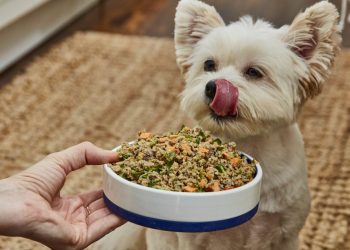
For countless households, the daily ritual of feeding a pet is so routine it barely registers—scoop, pour, serve, repeat. Yet behind this simple act lies a profound truth: what we feed our pets shapes their health, happiness, and longevity more than almost any other decision we make. Pet food is not just about filling a bowl; it is about nourishing a life that depends on us completely. Thoughtful choices at mealtime can prevent illness, support vitality, and strengthen the invisible bond we share with the creatures who trust us unconditionally.
Understanding Your Pet’s Nutritional Needs
Animals, like people, thrive when they receive nutrients that respect their unique biology. No single diet suits every pet. Understanding what your companion truly needs is the first step toward responsible feeding.
-
Dogs: Omnivores with Preferences
Dogs evolved alongside humans, adapting to a diet that can include grains, vegetables, and meat. A balanced dog food includes high-quality protein, healthy fats, digestible carbohydrates, vitamins, and minerals. Growing puppies, active working dogs, and seniors all have different requirements. -
Cats: True Carnivores
Unlike dogs, cats are obligate carnivores. They must have meat to survive and thrive. Certain amino acids like taurine, found naturally in animal tissues, are vital for heart and eye health. Cats also require a higher protein intake than dogs and benefit from moisture-rich diets. -
Small Mammals, Birds, and Exotics
Rabbits, guinea pigs, parrots, reptiles—each comes with its own specialized needs. Rabbits need a constant supply of fresh hay and fibrous greens to keep their digestive systems moving. Birds thrive on species-appropriate seeds, pellets, and fresh fruits and vegetables. Reptiles often require live prey, specific calcium balances, or UV supplements.
Types of Pet Food: What’s in the Bowl
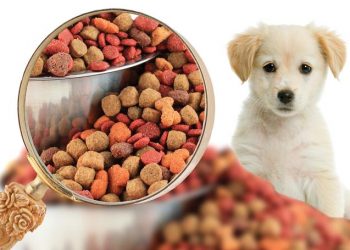
Pet owners today are faced with a dizzying array of choices: dry kibble, wet food, raw diets, freeze-dried, dehydrated, home-cooked. Each has its place—provided it is chosen with care and understanding.
Dry Food (Kibble)
-
Convenient and shelf-stable
-
Good for portion control and dental crunch
-
Quality varies widely; look for real meat as the first ingredient, minimal fillers, and named animal proteins
Wet Food (Canned or Pouched)
-
Higher moisture content helps with hydration, especially for cats
-
Often more palatable for picky eaters
-
Tends to cost more and spoils quickly if left out
Raw and Fresh Diets
-
Mimic ancestral feeding habits
-
Can offer excellent nutrition when properly balanced
-
Require strict handling to avoid bacterial contamination
-
Should be formulated under veterinary guidance to ensure complete nutrients
Homemade and Cooked Meals
-
Full control over ingredients
-
Allows for tailored recipes for pets with allergies or health conditions
-
Risky if unbalanced—working with a vet nutritionist is crucial
Reading Labels: Deciphering the Fine Print
Pet food marketing is notoriously confusing. Bags boast about “premium,” “natural,” or “grain-free” without clear definitions. To navigate this maze, look deeper.
-
Ingredient List
Ingredients are listed by weight. Look for named meat sources (“chicken meal” rather than “animal by-product”). -
Guaranteed Analysis
Check percentages of protein, fat, fiber, and moisture. -
AAFCO Statement
In the US, the Association of American Feed Control Officials (AAFCO) sets minimum nutritional standards. A statement like “complete and balanced for all life stages” signals that the food meets baseline requirements. -
Beware of Trends
Grain-free diets became popular but may not suit every dog. Recent studies suggest links between certain grain-free formulas and heart disease in dogs. Always consult your vet before switching based on trends alone.
Special Diets for Special Pets
Some pets have unique dietary needs due to age, health conditions, or breed.
-
Puppies and Kittens
Young animals need higher calories, extra protein, and DHA for brain development. -
Senior Pets
Older pets may benefit from lower-calorie, joint-supporting formulas rich in antioxidants. -
Allergies and Sensitivities
Food allergies can cause itchy skin or digestive upset. Limited-ingredient diets or novel proteins (duck, venison) help identify and avoid triggers. -
Medical Diets
Prescription foods target specific conditions such as kidney disease, diabetes, or urinary tract issues. These should be used only under veterinary supervision.
Feeding Best Practices
Good food choices are only part of the picture. How you feed your pet matters, too.
-
Portion Control
Obesity is one of the most common preventable health issues in pets. Follow feeding guidelines but adjust based on activity level and body condition. -
Scheduled Meals vs. Free-Feeding
Scheduled meals encourage healthy digestion and portion control. Free-feeding may suit some cats but can lead to overeating in dogs. -
Fresh Water Always
Hydration is essential. For cats, who may not drink enough, wet food or water fountains can help. -
Safe Treats
Treats should be no more than 10% of daily calories. Use them for training or bonding, not endless snacks.
Sustainability and Ethics in Pet Food
Today’s pet owners are increasingly mindful of sustainability. Pet food production has a real environmental impact, from meat sourcing to packaging waste.
-
Ethical Proteins
Brands that use responsibly farmed or sustainably caught proteins reduce environmental strain. -
Minimal Fillers
Feeding nutrient-rich food means less waste, fewer bowel movements, and healthier pets. -
Packaging Choices
Some companies now offer recyclable bags or subscription services with minimal packaging.
The Quiet Bond of a Well-Fed Pet
At its heart, feeding a pet well is an act of everyday love. It is the unseen promise that says, I see you. I respect your nature. I will nourish you as you nourish my spirit. Whether you scoop kibble, thaw raw patties, or portion out home-cooked stews, you are shaping your companion’s quality of life one meal at a time.
Conclusion: Thoughtful Feeding, Healthier Lives
There is no perfect, one-size-fits-all pet food—only the thoughtful balance of knowledge, observation, and care. By understanding species-specific needs, reading labels with discernment, and staying alert to your pet’s condition, you honor the promise of your bond. Pets give us trust so freely; our greatest duty is to meet it with the same devotion—right down to the last morsel in their bowl.
May every meal you serve remind you that, to your pet, you are home, comfort, and love in its purest form. And that is a responsibility worth savoring as much as they savor every bite.