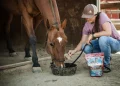

Many pet owners focus heavily on physical health by scheduling regular veterinary checkups, serving nutritious meals, and taking daily walks. While physical exercise is crucial, it represents only half of the wellness equation. Cognitive enrichment, often referred to as mental stimulation, plays an equally essential role in keeping domestic animals healthy, confident, and emotionally balanced.
When animals live in home environments, they are removed from the natural challenges of foraging, hunting, navigating territories, and solving survival problems. Without structured outlets for their natural curiosity and intelligence, pets can suffer from chronic boredom, anxiety, and behavioral issues. Providing regular mental exercises helps bridge this gap, offering domestic companions a fulfilling way to channel their energy.
Understanding Mental Stimulation for Pets
Mental stimulation involves engaging a pet’s mind through problem-solving tasks, sensory exploration, training routines, and novel environmental experiences. It challenges their cognitive capabilities, requiring them to think, decide, and learn.
In nature, animals spend a substantial portion of their waking hours searching for food, avoiding danger, and evaluating their surroundings. Domestic pets, by contrast, frequently have their meals served in bowls at the same time every day and live in relatively static home environments. While this life offers safety and comfort, it can lead to under-stimulation if owners do not actively introduce brain-building activities.
Cognitive engagement works by activating the brain’s reward centers. When a dog figures out how to slide a panel on a puzzle feeder to retrieve a hidden treat, or when a cat successfully hunts a feather wand behind a cardboard box, their brains release dopamine. This chemical response reinforces learning, boosts confidence, and creates a deep sense of satisfaction.
The Psychological Benefits of Cognitive Engagement
Engaging your pet in regular mental activities delivers wide-ranging benefits for their psychological health. Brain exercises do not simply pass the time; they fundamentally alter how an animal responds to stress and interacts with their surroundings.
Reducing Stress and Anxiety
Pets experiencing generalized anxiety, fearfulness, or separation distress often benefit immensely from focused mental activities. Brain games require concentration, which effectively shifts an animal’s focus away from environmental stressors. Licking, sniffing, and chewing—three common mechanics used in enrichment toys—trigger the release of endorphins that naturally soothe a pet’s nervous system.
Preventing Cognitive Decline in Aging Pets
Just as humans are encouraged to solve crossword puzzles or learn new skills as they age, senior pets require mental exercise to keep their cognitive faculties sharp. Regular brain engagement helps maintain neural connections, slowing down the progression of canine or feline cognitive dysfunction syndrome. Older animals that engage in gentle problem-solving tend to remain more alert, mobile, and responsive to their families.
Building Confidence in Shy Animals
Shy or rescue animals frequently struggle with low confidence when introduced to unfamiliar environments or novel objects. Successfully navigating a simple obstacle course or figuring out an easy treat puzzle provides positive reinforcement. Each small success teaches the animal that novel situations can yield positive outcomes, gradually reducing fear-based reactions.
How Boredom Triggers Destructive Behaviors
Behavioral issues are among the most common reasons pets are surrendered to shelters. In many cases, problems like destructive chewing, excessive barking, door darting, or scratch marks on furniture are not signs of malice or stubbornness. Instead, they represent an animal’s desperate attempt to create its own entertainment in an under-stimulating environment.
Physical fatigue alone is rarely enough to keep a high-intelligence animal calm. A working breed dog can run for miles and still possess the nervous energy needed to chew through a couch cushion if its mind remains unchallenged. Mental effort consumes significant energy; fifteen minutes of intense sniffing or trick training can tire a dog or cat more effectively than a long walk around the neighborhood.
By directing a pet’s problem-solving instincts toward approved activities, you eliminate the root cause of many undesirable habits:
-
Destructive chewing: Replaced by rubber food-dispensing toys or safe chew items.
-
Nuisance barking or vocalizing: Curbed by redirecting excess mental energy into lick mats or foraging games.
-
Hyperactivity indoors: Settled by structured lick mats, nose work, or targeted trick training.
-
Repetitive pacing or zooming: Managed through scheduled cognitive challenges that promote emotional self-regulation.
Practical Ways to Provide Daily Mental Exercises
Incorporating brain games into your pet’s routine does not require expensive equipment or hours of spare time. Simple adjustments to daily feeding schedules and play routines can yield dramatic improvements in your pet’s emotional health.
Food Puzzles and Snuffle Mats
Serving meals in standard bowls is a missed opportunity for enrichment. Food-dispensing toys, snuffle mats, and slide puzzles turn breakfast and dinner into interactive foraging quests. Snuffle mats, which consist of dense fleece strips tied to a grid base, force dogs and cats to use their noses to locate kibble hidden deep within the fabric folds.
Scent Work and Hide and Seek Games
An animal’s sense of smell is its primary gateway to understanding the world. A dog’s olfactory system is tens of thousands of times more sensitive than a human’s, and cats also rely heavily on scent identification.
You can create a simple scent game indoors by hiding small, high-value treats around a room under empty cardboard boxes or behind furniture legs. Command your pet to search, letting them use their nose to track down the rewards. Outdoor “sniffaris”—walks where the pet is allowed to set the pace and sniff objects as long as they want—provide immense mental stimulation without requiring physical exertion.
Interactive Obedience and Trick Training
Training should not stop once a pet learns basic commands like sit and stay. Teaching new tricks, such as rolling over, weaving through legs, picking up toys, or recognizing specific object names, gives pets a structured mental workout. Training sessions should remain brief, lasting between five and ten minutes, and always conclude on a positive note.
Environmental Enrichment and Sensory Rotations
Living in the same unchanging space can become monotonous. Changing your pet’s environment keeps their curiosity alive:
-
Toy Rotation: Keep only three or four toys accessible at a time, switching them out weekly so older items feel novel again.
-
Vertical Spaces for Cats: Install cat trees, window perches, or wall shelving to allow feline companions to observe their territory from varying heights.
-
Auditory and Visual Stimuli: Play calming classical music, specialized pet audio streams, or leave a window open so pets can watch birds and external movement safely.
Tailoring Mental Challenges to Different Species and Ages
Not all animals process challenges in the same manner. Adapting enrichment strategies to match your pet’s species, breed, age, and physical condition ensures that activities remain rewarding rather than frustrating.
Younger animals generally possess high energy levels and shorter attention spans. They thrive on fast-paced interactive games, basic agility steps, and simple puzzles with immediate food rewards. As animals mature, they can tackle complex, multi-step puzzle boards that require persistent problem-solving.
For senior pets or animals recovering from surgery, physical movement may be limited. Sensory games, gentle scent work, textured lick pads smeared with wet food or pumpkin puree, and basic name-recognition exercises offer excellent cognitive stimulation without placing strain on joints or healing tissues.
Frequently Asked Questions
How long should a mental stimulation session last for pets?
Short, frequent sessions are far more effective than long, exhausting ones. For most dogs and cats, a session lasting between five and fifteen minutes twice a day is ideal. Leaving complex puzzle toys out continuously can cause pets to lose interest or become frustrated, so removing the activity once it is completed helps maintain novelty and focus.
Can mental stimulation replace physical exercise entirely?
Mental stimulation should complement physical exercise rather than replace it completely. While brain games burn significant energy and reduce restlessness, animals still require physical activity to maintain cardiovascular health, muscular strength, joint flexibility, and weight control. Balancing both forms of exertion produces the best overall well-being.
How do I know if a puzzle toy is too difficult or frustrating for my pet?
If your pet barks at the puzzle, bites it aggressively, walks away without attempting to solve it, or shows signs of tension like panting or pacing, the challenge level is likely too high. Step back to an easier puzzle or demonstrate how to access the reward several times to build their confidence before raising the difficulty again.
What are some budget-friendly DIY options for mental enrichment?
You can build effective enrichment toys using household items. Rolling treats inside a rolled-up towel, putting kibble inside an empty muffin tin covered with tennis balls, or hiding treats inside folded toilet paper rolls create challenging puzzles at zero cost. Always monitor your pet during DIY play to ensure they do not ingest paper or cloth.
How does cognitive enrichment help senior pets showing signs of dementia?
Cognitive enrichment stimulates neural pathways and promotes brain plasticity in aging pets. Engaging a senior dog or cat with gentle scent games and sensory mats encourages brain activity, which can help slow down memory loss, reduce nighttime pacing, and alleviate confusion associated with age-related cognitive decline.
Can cats benefit from scent work training like dogs?
Cats possess a highly sophisticated olfactory system and benefit greatly from scent enrichment. You can hide treats around cat trees, introduce cat-safe herbs like catnip, silvervine, or valerian root, or bring safe natural items like autumn leaves or pinecones indoors for your cat to explore through scent.
How often should I rotate my pet’s toys to prevent boredom?
Rotating your pet’s toy selection every three to seven days keeps their play items feeling fresh and exciting. Storing off-rotation toys in a sealed container—optionally with a drop of safe scent like chamomile or catnip—makes them feel entirely new when re-introduced to your pet’s environment.