Introduction: Rediscovering Our Wild Neighbours
When we think of animals, we often picture beloved pets curled at our feet, the occasional wildlife documentary flashing scenes of majestic lions or elusive snow leopards, or the cheerful birdsong that greets us on quiet mornings. Yet beyond the familiar lies an intricate web of life where animals, both wild and domesticated, are far more than passive inhabitants of our planet. They are silent guardians of balance, catalysts of cultural stories, and reminders of the humility with which humans must approach nature.
The Unsung Architects of Ecosystems
Animals are the master architects of the natural world. From the lowliest earthworm to the towering elephant, countless creatures maintain the delicate balance that keeps entire ecosystems thriving.
-
Pollinators: Nature’s Invisible Workforce
Bees, butterflies, bats, and even certain birds are tireless pollinators ensuring the survival of flowering plants and, by extension, the food we eat. It is no exaggeration to say that without pollinators, entire agricultural systems would crumble. -
Seed Dispersers: Sowers of Future Forests
Many animals, such as fruit bats, monkeys, and birds, carry seeds far from their parent plants. In doing so, they regenerate forests and woodlands, helping combat erosion and climate change. -
Predators: Keepers of Balance
Predatory animals, from wolves to sharks, prevent the overpopulation of prey species. This balancing act keeps vegetation healthy and prevents destructive population booms that can devastate habitats.
Animals and Human Civilization: A Timeless Bond
Our relationship with animals runs deeper than we often admit. They have been our allies, teachers, and even spiritual guides.
-
Companionship and Emotional Healing
Domesticated animals such as dogs, cats, and horses have coexisted with humans for millennia. Beyond their roles as working animals or protectors, they soothe loneliness and anxiety, offering a wordless understanding we rarely find among our own species. -
Economic Partners
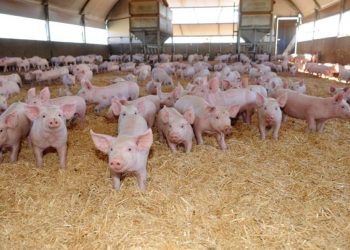
Livestock like cattle, sheep, and chickens have underpinned agricultural societies for centuries. From providing meat, milk, and wool to fertilizing soil naturally, these animals remain essential to rural economies. -
Cultural and Spiritual Icons
From the sacred cows of India to the revered eagles of Native American traditions, animals inspire mythologies and rituals that shape identities and communities. They remind us of our roots and our responsibility as stewards of all life.
The Modern Crisis: Our Disappearing Wild
Despite their invaluable roles, animals today face unprecedented threats. Deforestation, climate change, urban sprawl, and poaching are pushing countless species toward extinction at a rate unseen in recorded history.
Consider the staggering statistics: scientists estimate that up to one million species may face extinction within decades if human behavior remains unchanged. Large mammals like rhinoceroses and tigers draw headlines, yet equally vital creatures—frogs, insects, and small mammals—are vanishing in silence.
Why Animal Conservation Is Not Optional
Protecting animals is not an act of charity—it is an act of survival. The health of ecosystems underpins human wellbeing, from clean water and fertile soil to disease control. Bats and birds help manage insect populations naturally; coral reefs, bustling with marine life, shelter coastlines from storms and provide food for millions.
How We Can Become Better Custodians
The question that remains is simple yet urgent: how can we live in harmony with the animals who share our planet?
-
Support Sustainable Choices
Mindful consumption—such as choosing sustainably sourced seafood or avoiding products linked to deforestation—can ease the pressure on animal habitats. -
Champion Local Conservation
Community-led conservation projects often succeed where large-scale interventions fail. Supporting local wildlife reserves, native species protection, and anti-poaching efforts can make tangible differences. -
Reconnect with the Wild
Spend time observing animals in their natural habitats. Walk forest trails, visit ethical wildlife sanctuaries, and teach the next generation the wonder of wild creatures. Connection fuels protection.
Animals as Teachers: Lessons in Humility and Hope
Above all, animals remind us that life on Earth is profoundly interconnected. Wolves reintroduce balance to forests, bees pollinate the crops we rely upon, and even the smallest insects enrich the soil that grows our food. They are resilient yet fragile, mighty yet voiceless in the human realm.
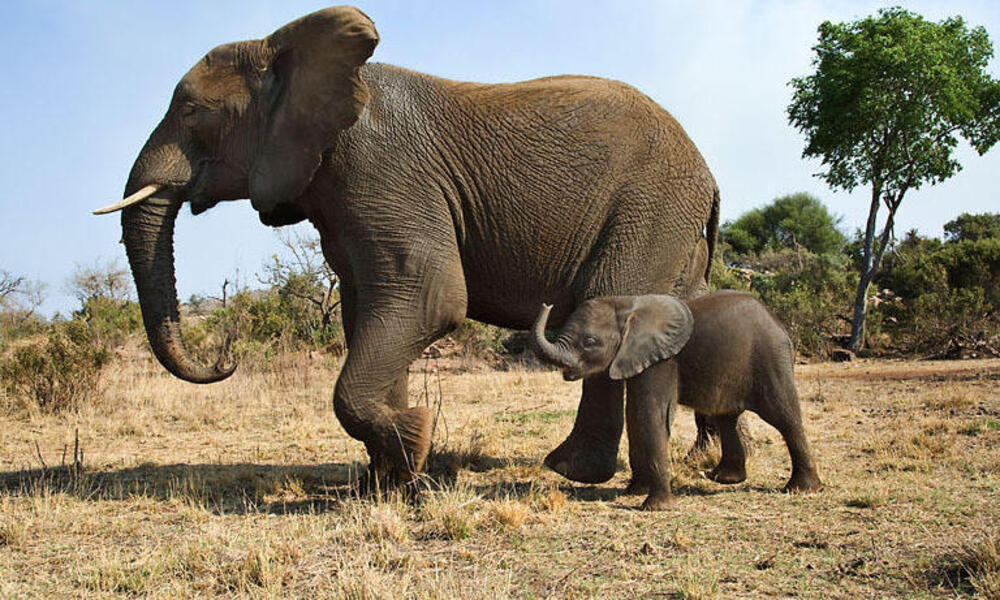
To watch a dolphin glide effortlessly through azure waves, to glimpse a herd of elephants nurturing their young, to hear an owl’s call echo through the night—these moments awaken in us a deep sense of reverence. In their presence, we remember that the natural world is not ours to conquer but to cherish.
Conclusion: A Silent Pact
In every corner of the globe, from dense rainforests to arid plains, animals live lives as vivid and significant as our own. The pact we share with them—one forged long before written history—demands respect, restraint, and care. If we honor this pact, we honor ourselves, for our fate is bound to theirs.
Let us walk softly upon the Earth, leaving room for the silent guardians who shape our world in ways both seen and unseen. In doing so, we may yet ensure that future generations inherit a world not emptied of its wild voices but vibrant with the songs, roars, and whispers of life.