
Introduction: Beyond the Scoop
Pet food is so commonplace that it often slips into the background of our daily routines. A scoop in the morning, a can at dusk—done. Yet behind every portion poured into a dish lies a deeper story: one about trust, well-being, and the invisible bond we share with our animals. Feeding a pet well is not simply a matter of convenience; it is a daily act of responsibility and affection, one that requires knowledge, discernment, and a willingness to look past marketing slogans to understand what truly nourishes the creatures who rely on us.
Understanding What “Complete and Balanced” Really Means
Pet food shelves overflow with bright labels promising “premium,” “grain-free,” or “all-natural” meals. While these words may soothe our consciences, they often say little about what’s genuinely inside the bag. The real standard to seek is complete and balanced nutrition, which means a food provides all essential nutrients in the right proportions for a specific life stage.
-
Life Stage Nutrition
A puppy has vastly different nutritional needs than a senior dog. Kittens require extra protein and fat to fuel rapid growth, while older cats may need diets that support kidney function or maintain healthy weight. -
Species-Specific Needs
Dogs are adaptable omnivores. They can thrive on varied diets that balance meat, grains, vegetables, and healthy fats. Cats, on the other hand, are obligate carnivores. They rely on amino acids like taurine—found naturally in animal tissues—for heart, vision, and reproductive health. Rabbits and guinea pigs depend on high-fiber hay, not pellets alone. -
Quality Over Hype
The phrase “human-grade” sounds reassuring but is not tightly regulated. What truly matters is clear labeling, named protein sources (like chicken or salmon, not ambiguous “meat by-products”), and recognizable ingredients.
Types of Pet Food: Pros, Cons, and Considerations
Choosing what to put in your pet’s bowl is about more than picking a flavor they like. Each food type comes with benefits and potential pitfalls.
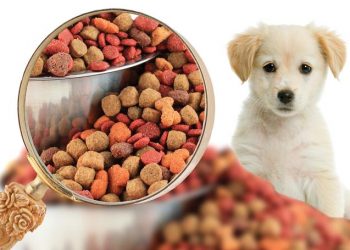
Dry Kibble
-
Economical and convenient
-
Good for portion control
-
May help reduce tartar buildup in dogs
-
Often contains more carbohydrates and less moisture than wet food
Wet or Canned Food
-
Higher moisture content supports hydration, especially for cats
-
Often more palatable for picky eaters
-
Shorter shelf life once opened
-
Generally more expensive per serving
Raw or Fresh Diets
-
Mimic ancestral feeding patterns
-
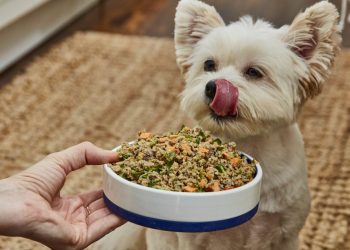
Can provide excellent nutrition when carefully balanced
-
Risk bacterial contamination if mishandled
-
Should be planned with veterinary guidance to prevent nutrient gaps
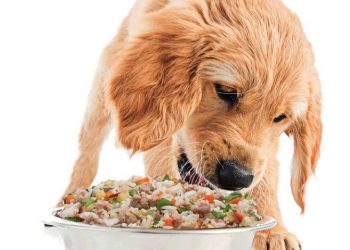
Homemade Meals
-
Total control over ingredients
-
Useful for pets with allergies or medical conditions
-
Risk of imbalance if not formulated with professional input
-
Requires commitment and safe food handling
Reading Labels Like a Pro
The back of the bag matters far more than the front. A well-informed owner knows how to decode the fine print.
-
Ingredients by Weight
Ingredients appear in descending order by weight. Whole meats are good, but remember they include moisture. A named meat meal (“chicken meal”) is dehydrated, making it a concentrated protein source. -
Guaranteed Analysis
This section lists minimum percentages of crude protein and fat and maximum levels of fiber and moisture. Comparing dry and wet foods? Remember to factor in moisture differences. -
AAFCO Statement
In the U.S., look for a statement that the food meets AAFCO (Association of American Feed Control Officials) standards for complete and balanced nutrition. It should specify the intended life stage.
Common Misconceptions: Grain-Free and Exotic Ingredients
The boom in grain-free pet food stemmed partly from human trends rather than solid animal science. Many dogs digest grains well and benefit from the carbohydrates they provide. In some cases, grain-free diets relying heavily on legumes or exotic meats have been linked to canine heart conditions such as dilated cardiomyopathy. Always consult a vet before switching to specialized diets based on trends alone.
Special Diets for Special Pets
Health issues can transform the role of food from simple sustenance to vital medicine.
-
Weight Management
Obesity is the most common nutritional disease in pets. Calorie-controlled diets help manage weight without depriving pets of nutrients. -
Allergies and Sensitivities
Signs like constant itching, ear infections, or digestive upset may point to food sensitivities. Limited-ingredient or novel-protein diets can help identify and manage triggers. -
Prescription Formulas
Vets may prescribe therapeutic diets for kidney disease, diabetes, or urinary tract health. These should never be substituted with over-the-counter options without medical approval.
Best Practices: Feeding With Care
Good pet food choices go hand-in-hand with mindful feeding habits.
-
Measure Portions
Guessing often leads to overfeeding. Use a kitchen scale or measuring cup to keep portions consistent. -
Regular Mealtimes
Scheduled meals create healthy habits and make it easier to monitor appetite changes—a crucial clue to hidden illness. -
Fresh Water Always
Especially for cats and pets on dry food, encourage hydration with clean, accessible water at all times. -
Treats in Moderation
Treats should never exceed 10% of daily caloric intake. Look for healthy, simple options or make your own.
Ethical and Sustainable Choices
Feeding pets well increasingly means feeding them responsibly. The pet food industry contributes significantly to global meat production, with its environmental footprint under greater scrutiny.
-
Sustainable Proteins
Some brands source fish from certified sustainable fisheries or use ethically farmed meats. -
Minimizing Waste
Bulk buying, recyclable packaging, and properly storing food reduce environmental impact.
The Invisible Bond in Every Meal
A bowl of food is so much more than calories. It is a daily reaffirmation of a promise to care for an animal that cannot shop for itself or choose what to eat. Every bite is an exchange of trust—one that deserves our attention and respect.
Conclusion: Nourishment as Love
There is a quiet beauty in the ritual of feeding a pet well. It is the early morning rattle of kibble, the gentle clink of a spoon against a bowl, the soft crunch of contentment from a creature who knows they are cared for. Thoughtful choices about pet food ripple outward—into longer lives, healthier days, and the simple, tail-thumping, whisker-twitching joy that comes when a beloved animal feels nourished, safe, and loved.
Feeding well is one of the greatest acts of guardianship we can offer. May every scoop remind us that the smallest gestures—a fresh bowl, a balanced meal—carry the weight of our greatest promises.