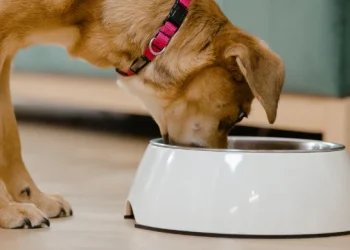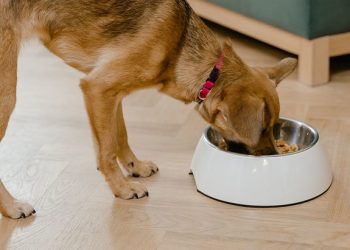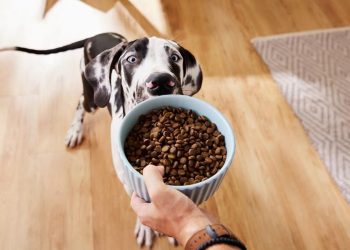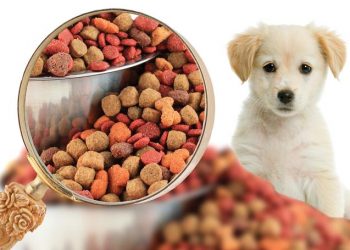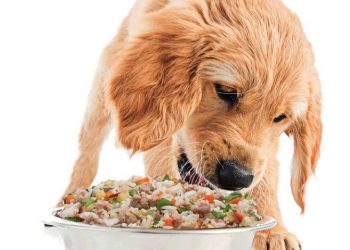
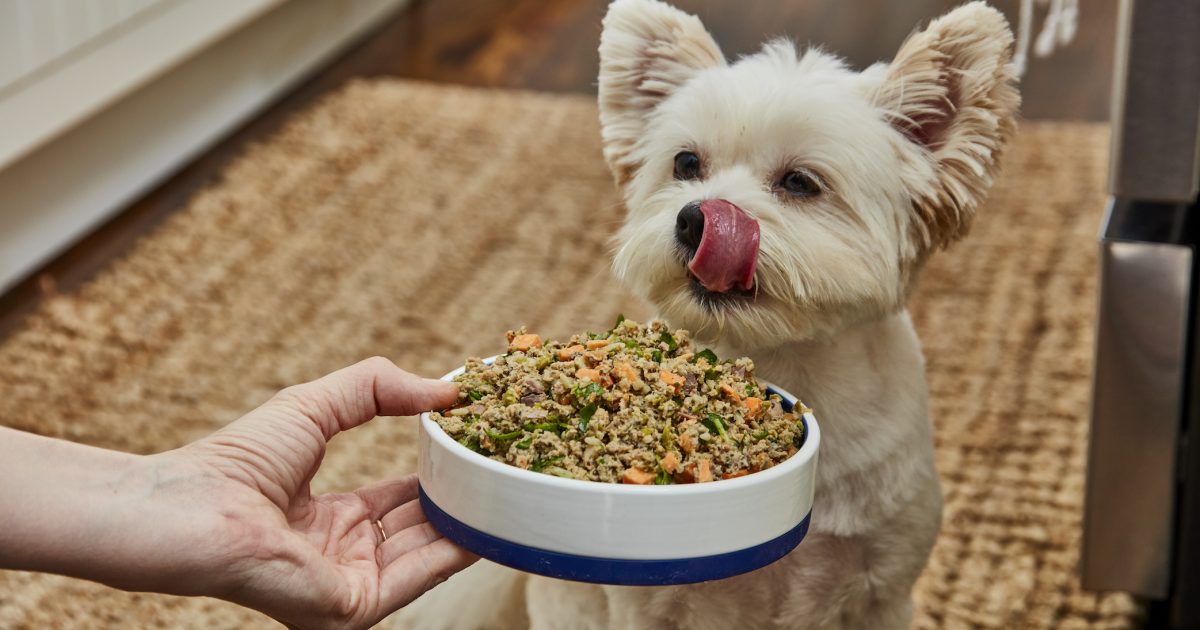
Preparing meals at home for your pets allows complete control over the ingredients entering their diet. Many pet owners choose homemade meals to eliminate artificial preservatives, manage food allergies, or simply provide wholesome nutrition to their companion animals. However, transitioning from commercial pet food to home-cooked options requires careful planning to avoid severe nutritional deficiencies.
Cats and dogs have complex biological requirements that differ significantly from human nutritional needs. Delivering a healthy homemade diet involves much more than feeding a pet plain meat or kitchen scraps. A complete pet meal must deliver precise ratios of amino acids, essential fatty acids, vitamins, and minerals. Working alongside veterinary nutritionists ensures that home-cooked meals support long-term health, vitality, and longevity.
Essential Principles of Domestic Pet Nutrition
Before assembling ingredients in the kitchen, understanding basic nutritional building blocks is crucial. Every recipe must balance macronutrients and micronutrients tailored to your pet’s specific species, life stage, weight, and activity level.
Protein Requirements
Protein serves as the foundation for muscle repair, organ function, immune support, and enzymatic activity. Lean meats such as chicken breast, turkey, beef, lean pork, and whitefish provide high-quality amino acids. Eggs are also an exceptional, highly digestible protein source. Cats are obligate carnivores and require significantly higher dietary protein levels than dogs, alongside specific amino acids like taurine that must come directly from animal tissue.
Fats and Essential Fatty Acids
Fats provide concentrated energy and support cell membrane integrity, skin health, and coat condition. Ingredients like salmon oil, sardine oil, flaxseed oil, and safflower oil deliver critical omega-3 and omega-6 fatty acids. Including these healthy fats is mandatory, as deficiency can cause dry skin, dull fur, and systemic inflammation.
Carbohydrates and Fiber
While dogs are omnivores capable of efficiently digesting cooked starches, carbohydrates should be chosen with care. Highly digestible options like sweet potatoes, white rice, oatmeal, and pumpkin provide energy and dietary fiber. Fiber promotes healthy digestion, maintains firm stool consistency, and supports beneficial gut bacteria. Cats require minimal carbohydrates, so fiber sources should remain low in feline recipes.
Essential Micronutrients and Calcium
This area represents where most homemade diets fail. Muscle meat contains high levels of phosphorus but very low levels of calcium. Feeding meat without a balancing calcium source leads to skeletal deformation and metabolic bone disease. Bone meal powder or pure calcium carbonate must be added to home-cooked meals in precise proportions. Furthermore, essential vitamins like vitamin D, vitamin E, zinc, and iodine must be added using target supplements.
Expert-Approved Homemade Dog Food Recipes
The following recipes are formulated for healthy adult dogs at maintenance weight. Always consult your veterinarian before introducing a new long-term diet, especially for puppies or dogs with existing medical conditions.
Balanced Chicken and Sweet Potato Bowl
This basic recipe offers a gentle, digestible meal ideal for adult dogs with sensitive stomachs.
Ingredients:
-
2 pounds skinless, boneless chicken breast, ground or finely chopped
-
1 pound sweet potatoes, peeled and diced
-
1 cup cooked long-grain white rice or brown rice
-
1 cup spinach, finely chopped
-
1/2 cup carrots, shredded
-
2 tablespoons canned pure pumpkin puree (not pie mix)
-
1.5 tablespoons safflower oil or salmon oil
-
1 teaspoon veterinary-grade calcium carbonate powder
Preparation:
-
In a large pot, boil or steam the diced sweet potatoes and shredded carrots until fork-tender.
-
In a separate skillet, cook the ground chicken thoroughly over medium heat until no pink remains. Drain excess grease if necessary.
-
Steam the chopped spinach lightly until wilted.
-
Combine the cooked chicken, sweet potatoes, rice, carrots, spinach, and pumpkin puree in a large mixing bowl. Allow the mixture to cool completely to room temperature.
-
Once cooled, stir in the safflower or salmon oil and the calcium carbonate powder until evenly distributed throughout the batch.
-
Portion the food based on your dog’s daily caloric requirements and store remaining portions in the refrigerator or freezer.
Lean Beef and Vegetable Dinner
Rich in iron and zinc, this nutrient-dense recipe works well for active adult dogs.
Ingredients:
-
2.5 pounds lean ground beef (90 percent lean or higher)
-
1 cup cooked butternut squash, mashed
-
1 cup green beans, chopped finely
-
1/2 cup blueberries, fresh or frozen
-
2 tablespoons sardine oil or fish oil
-
1.5 teaspoons bone meal powder approved for animal consumption
Preparation:
-
Brown the ground beef in a skillet over medium heat until completely cooked.
-
Steam the chopped green beans until soft.
-
In a large bowl, mix the cooked beef, mashed butternut squash, green beans, and blueberries.
-
Let the mixture cool entirely to room temperature.
-
Fold in the fish oil and bone meal powder until thoroughly blended.
Expert-Approved Homemade Cat Food Recipe
Feline nutrition demands absolute precision. Cats cannot synthesize certain vital nutrients internally, meaning omissions can lead to heart failure or blindness.
Poultry and Fish Feline Recipe
This protein-rich recipe provides essential amino acids specifically structured for adult cat health.
Ingredients:
-
2 pounds chicken thighs, boneless and skinless
-
3 ounces chicken liver, finely chopped
-
3 ounces canned sardines packed in water (no added salt), drained
-
2 large eggs, boiled and finely chopped
-
1 tablespoon salmon oil
-
2000 mg taurine powder supplement
-
1 teaspoon calcium carbonate powder
Preparation:
-
Lightly poach or bake the chicken thighs until fully cooked through. Reserve a small amount of the cooking liquid.
-
Gently cook the chicken liver in a pan for two to three minutes.
-
Dice the cooked chicken thighs into very small, bite-sized pieces appropriate for a cat’s mouth, or run through a coarse meat grinder.
-
Combine the chopped chicken, chicken liver, mashed sardines, and chopped boiled eggs in a bowl.
-
Allow the mixture to cool to room temperature.
-
Dissolve the taurine powder into two tablespoons of the cooled cooking broth.
-
Add the dissolved taurine, salmon oil, and calcium carbonate powder into the meat mixture and mix thoroughly to ensure equal distribution.
Transitioning, Batch Cooking, and Safe Handling
Switching your pet from commercial kibble or canned food to a homemade diet requires a gradual approach over ten to fourteen days. Sudden dietary shifts frequently trigger vomiting, diarrhea, and gastrointestinal distress.
-
Days 1 to 3: Serve 75 percent current commercial diet mixed with 25 percent homemade food.
-
Days 4 to 6: Serve 50 percent current commercial diet mixed with 50 percent homemade food.
-
Days 7 to 9: Serve 25 percent current commercial diet mixed with 75 percent homemade food.
-
Day 10 onward: Serve 100 percent homemade food, assuming stool quality remains normal.
To save time, prepare pet meals in large weekly batches. Portion individual meals into airtight glass containers or silicone freezer bags. Freshly cooked pet food lasts up to three days in the refrigerator and up to three months in the freezer. Thaw frozen meals overnight in the refrigerator, and serve them at room temperature. Never microwave meals containing added oils or sensitive vitamin supplements at high temperatures, as heat degrades delicate nutrients.
Standard food safety practices apply to pet food preparation. Wash hands, cutting boards, utensils, and counter surfaces with warm soapy water after handling raw meats to prevent bacterial contamination such as Salmonella or E. coli.
Frequently Asked Questions
Why is taurine so critical in homemade cat food?
Taurine is an essential amino acid that cats cannot manufacture in sufficient quantities on their own. It plays a vital role in maintaining proper heart muscle function, vision, digestion, and reproductive health. A deficiency in taurine can cause irreversible dilated cardiomyopathy or central retinal degeneration, leading to heart failure or permanent blindness.
Can I use raw meat instead of cooked meat in these recipes?
Raw feeding carries significant risks of bacterial contamination from pathogens like Salmonella and Listeria, which can infect both pets and human family members. Cooking meat destroys harmful bacteria while keeping the protein highly digestible. If you choose to feed raw, consult a board-certified veterinary nutritionist to implement rigorous safety protocols.
Do I need to add a vitamin and mineral premix to homemade pet food?
In most cases, yes. Standard ingredients like muscle meat, vegetables, and rice lack sufficient quantities of essential micronutrients like vitamin E, zinc, iodine, and copper. Using a complete, veterinary-formulated premix or precise individual supplements ensures your pet does not develop cumulative nutritional deficiencies over time.
How do I calculate the correct portion size for my pet?
Portion sizes depend on your pet’s ideal body weight, age, activity level, and metabolic rate. A general guideline for adult dogs is to feed approximately two to three percent of their target body weight in fresh food daily, split across two meals. Monitor your pet’s weight weekly and adjust portion sizes up or down to maintain an ideal body condition score.
Is it safe to include garlic and onions in homemade pet recipes?
No, garlic, onions, chives, and leeks belong to the Allium plant family and are toxic to both dogs and cats. They contain compounds that cause oxidative damage to red blood cells, leading to hemolytic anemia. Never add onions, garlic powder, or related seasonings to your pet’s meals.
Can I feed my dog a strictly vegetarian or vegan homemade diet?
Formulating a safe, balanced vegetarian or vegan diet for dogs is extremely difficult and carries high risks of amino acid and micronutrient deficiencies. While dogs are omnivores, their biological systems thrive best on animal proteins. Attempting a meatless diet requires direct ongoing supervision from a board-certified veterinary nutritionist.
What should I do if my pet develops loose stools after starting homemade food?
Temporary mild digestive changes can occur during transitions, but persistent loose stools indicate an issue. Pause the transition and temporarily feed a bland diet of plain boiled chicken and white rice. Once digestion normalizes, slow down the transition schedule or consult your veterinarian to identify potential ingredient intolerances.